
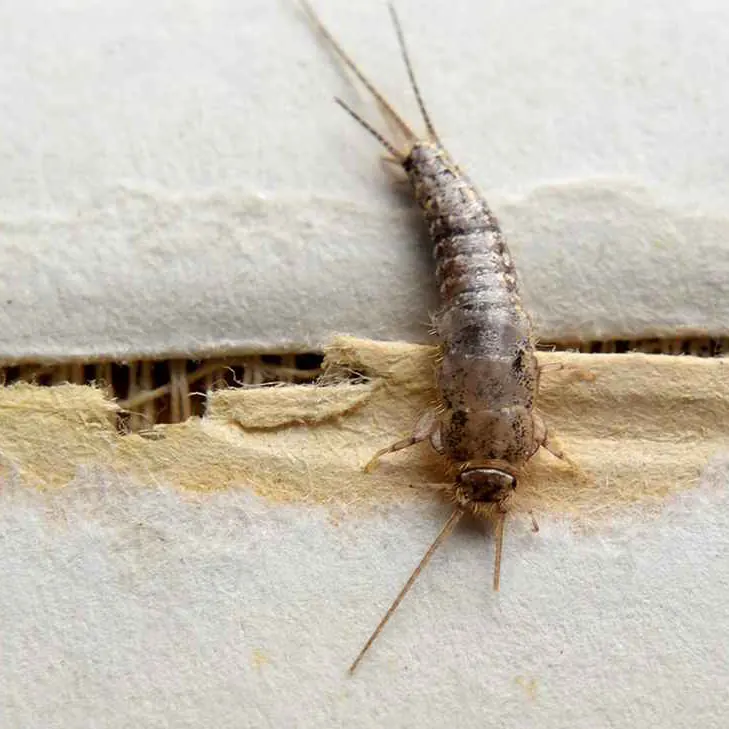
Fishmoths are a slow, quiet pest. You see one dart out of a book or a pile of linen, then nothing for weeks, and meanwhile they've been grazing on the glue in book spines, the starch in clothes and the paper in your stored boxes. They don't bite and they don't carry disease, but they can ruin things you care about. The fix is a targeted treatment in the places they hide, plus a few changes that make those places less comfortable for them.
What a fishmoth is
Fishmoths, also called silverfish, are small, wingless insects about a centimetre long, with a silvery, scaly body that tapers to three bristly tails. They move with a fish-like wriggle and hate light, so you mostly see them when you open a cupboard or move a box. They feed on starches, sugars and proteins found in paper, book bindings, wallpaper paste, cotton, linen, cereals and even dust and dead insects.
Why older Walmer houses suit them so well
Fishmoths need humidity, darkness and food that nobody disturbs. Many Walmer homes offer all three:
- Built-in cupboards in older homes are often deep, dark and set against outside walls that stay cool and slightly damp, especially on the shady side of the house.
- Bookshelves and studies full of books that are read once and left for years.
- Roof spaces used for storing boxes of papers, old school projects, photos and clothes. Roofs in older homes can also have aging insulation and dust that fishmoths feed on.
- Port Elizabeth's coastal air, which keeps humidity up for much of the year.
Big trees close to the house add shade and can keep walls and gutters damper than they'd otherwise be. A leaking gutter that wets one wall is a classic fishmoth hotspot inside.
Signs you have fishmoths
- Silvery insects darting away when you open cupboards or lift boxes
- Small irregular holes or surface grazing on paper, book covers, wallpaper and photos
- Yellowish stains or tiny pepper-like droppings on shelves and in drawers
- Shed silvery scales near where they live
- Damage to stored clothes and linen, especially cotton and starched items
How we treat fishmoths
- We find the colonies. Cupboards, bookshelves, behind skirting boards, under baths and basins, in the geyser cupboard and the roof storage area.
- We treat the hiding places with an odourless, non-staining residual spray applied into cracks, cupboard corners, behind shelves and along skirting boards. It stays active where they travel.
- We look at moisture. We point out leaks, damp walls or poor ventilation that keep them coming back.
- We advise on storage so the things you value are protected.
You don't need to leave the house, and you don't need to empty every cupboard, only the ones being treated. Keep children and pets away from treated surfaces until they're dry.
The Walmer tip: get your papers out of cardboard
If you have boxes of documents, photos or books in the roof or a built-in cupboard, move them into sealed plastic containers. Cardboard is fishmoth food in itself, and a sealed box stops them reaching what's inside. Store containers off the floor and away from outside walls, and open the cupboard doors on dry, sunny days to let air through.
Protecting the things you value
If you have family photos, important documents or a book collection you care about, check them once or twice a year for surface grazing, yellow marks and droppings. Catching damage early means treatment can be limited to the one shelf or cupboard affected, before fishmoths spread further through the house.
The common mistake
Putting mothballs or lavender sachets in the cupboard and expecting them to deal with fishmoths. These might put off clothes moths, but they do very little to fishmoths. Neither do the sprays sold for flies. Fishmoths hide deep in cracks, so treatment needs to go into those cracks.
What does it cost?
It depends on how many rooms and cupboards are involved and whether the roof storage needs attention. A couple of affected cupboards is a short job. A large older home with fishmoths in the study, several built-ins and the roof is more. If you've seen only one or two and you can sort out the damp and seal up your boxes, you might not need a treatment at all. We quote after we've had a look.
Fishmoths often show up in the same homes as other crawling insects. See crawling insect control in Walmer and our cockroach treatments for Walmer homes. We also treat fishmoths in Newton Park and across the metro through our fishmoth control service in Port Elizabeth, and the Walmer area page covers the rest. Call 087 012 5550, or WhatsApp us a photo of the insect or the damage.
Questions we get asked
Are fishmoths harmful to people?
No. They don't bite or carry disease. The harm is to books, papers, photos, wallpaper and fabrics.
Why do I find fishmoths in the bath?
They wander in looking for moisture and can't climb out of the smooth sides. It usually means they're living nearby, under the bath or behind the tiles.
Will fishmoths damage my clothes?
They can, especially cotton, linen and starched items stored for a long time. Clothes in regular use are rarely damaged.
Do I need to dehumidify my house?
Not usually the whole house. Fixing leaks and improving airflow in the affected cupboards and rooms is often enough.
How long does the treatment last?
The residual spray keeps working in treated cracks for a good while. Fixing damp and storage problems is what stops fishmoths coming back long term.