
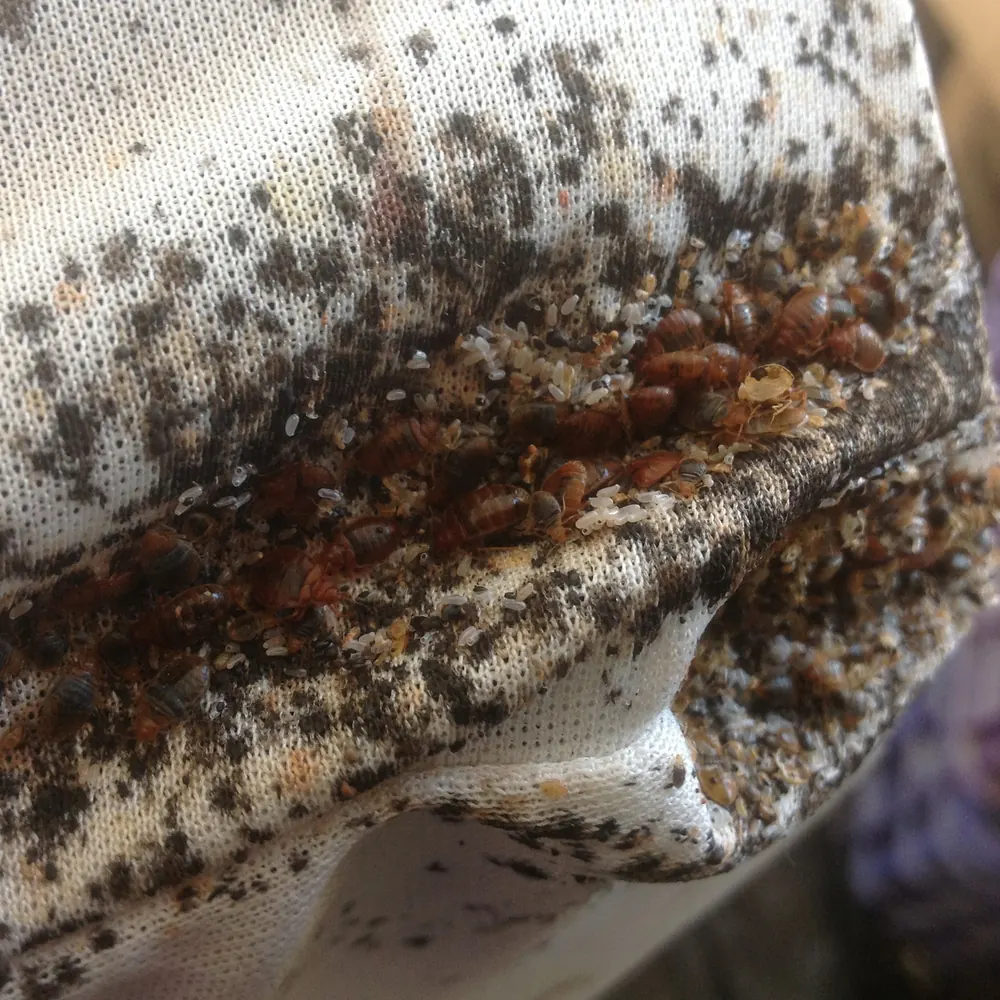
If you've found small, reddish-brown insects in the seams of a mattress, or you're waking up with itchy bites in lines on your arms or shoulders, you probably have bed bugs. They can be cleared, but not with a can of spray from the supermarket. Bed bugs hide in tiny cracks close to where people sleep, and their eggs survive most quick fixes. A careful inspection, a thorough treatment and a follow-up visit are what work.
How bed bugs reach Walmer homes
Bed bugs are travellers. They don't come from the garden or the drains, and they have nothing to do with how clean a house is. They arrive with people and their belongings. Walmer is close to the airport, and plenty of households here travel often for work or holidays, or have family and friends coming to stay. Each suitcase that has been in an infested hotel room, bus or flat can carry a few bugs home.
Other common routes we see:
- Second-hand beds, couches, headboards and bedside tables
- Guests staying in a spare room or garden cottage
- Children coming home from boarding school, camps or sleepovers
- Students returning from digs or res at the end of term
If you let out a room or a cottage on your property to short-stay guests, bed bugs are worth taking seriously, because one infested guest can affect every visitor after them.
How to check for bed bugs
Strip the bed and look along mattress seams and piping, around the buttons, under the corners of the base and in the joints of the bed frame and headboard. You're looking for:
- Live bugs: flat, oval, reddish-brown, roughly the size of an apple seed
- Tiny black spots of droppings, like ink dots from a fine pen
- Pale, empty skins shed as they grow
- Small blood smears on sheets or pillowcases
In bigger infestations, they spread to bedside tables, skirting boards, curtain hems, picture frames and the seams of nearby couches.
How we treat bed bugs
- Inspection. We check beds, furniture and the rooms around them to see how far they've spread. In larger Walmer homes with several bedrooms and a cottage, this tells us which rooms actually need treating.
- Preparation. We give you a short checklist: wash bedding and clothes from the affected rooms on a hot cycle, bag them, and clear the floor so we can reach skirtings and under the beds.
- Treatment. We treat mattresses, bed frames, furniture joints, skirting boards and crevices in the affected rooms with a product suited to bed bugs.
- Follow-up. We return after the eggs have had time to hatch to treat the new generation. This step is what finishes the job.
For a normal bed bug treatment you don't need to move out. Keep people and pets out of treated rooms until surfaces are dry, then you can use them again.
We work discreetly. Many people are embarrassed about bed bugs, but they're simply a travel problem, and we treat them like any other job.
A Walmer tip for frequent travellers
When you come home from a trip, unpack in the garage or on a tiled floor rather than on the bed. Put clothes straight into the washing machine and dryer on a hot setting and check the seams of your suitcase before it goes back in the cupboard. In a home where someone travels often, this habit catches bed bugs before they ever reach a bedroom.
What people get wrong
Moving to the spare room or the couch to escape the bites. Bed bugs follow the person, and you end up spreading them to a second or third room. Throwing out the mattress straight away is the other common mistake; the bugs are usually in the frame and furniture too, and a new mattress gets reinfested. Leave everything in place until it has been inspected and treated.
Is it definitely bed bugs?
Bites around the ankles are more likely to be fleas, especially in homes with pets, and night-time itching with nothing in the bed can be bird mites from a nest in the roof. Our page on biting insects in Walmer explains how to tell them apart, and flea control in Walmer covers pets and lawns.
What does it cost?
It depends on how many rooms are affected, how much furniture is involved and how established the bugs are. One bedroom caught early is a manageable job, usually a treatment and a follow-up. Several bedrooms, a guest cottage and a lounge suite will take more. There isn't a reliable DIY fix for bed bugs, so this is one case where professional treatment usually saves money. We quote after inspecting.
See our full bed bug service for Port Elizabeth, including bed bug treatment for Summerstrand student digs, or browse the Walmer pest control page. Call 087 012 5550, or WhatsApp us a photo of what you've found.
Questions we get asked
Do bed bugs mean my house is dirty?
No. Bed bugs feed on blood, not dirt, and are found in very clean homes and expensive hotels. They're a travel problem.
Can I see bed bugs with the naked eye?
Yes. Adults are about the size of an apple seed and easy to see in mattress seams once you know where to look. Young ones and eggs are much smaller.
Why do I need a second visit?
Bed bug eggs are protected and can survive the first treatment. The follow-up is timed to catch the young bugs that hatch afterwards.
Can you treat a guest cottage separately?
Yes. If the bugs are only in the cottage, we can treat it on its own, though we'll check the main house too.
Should I throw away my bed?
Usually not. Most beds and mattresses can be treated successfully. A bed bug-proof mattress cover afterwards helps.