
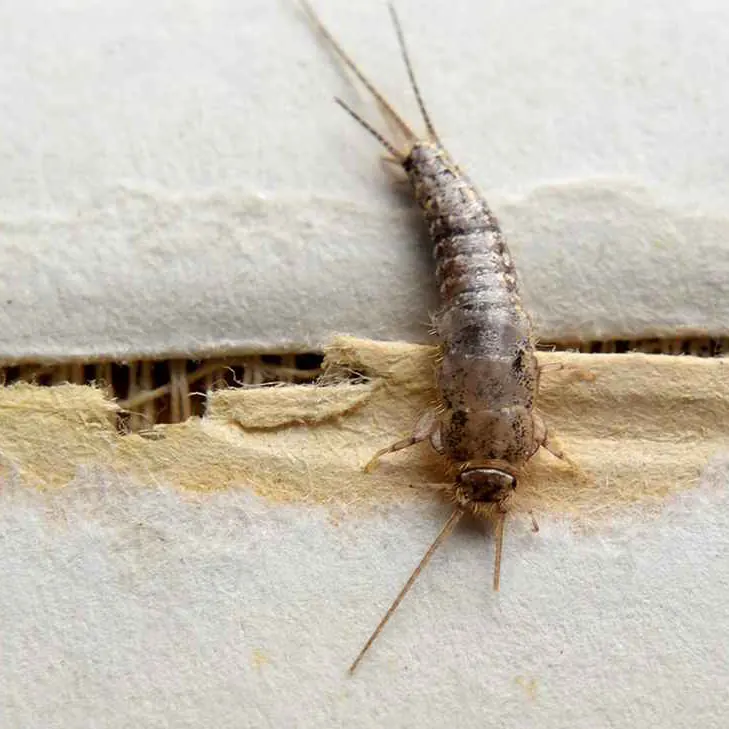
Fishmoths are a slightly surprising problem in Kariega. The town is drier than the coast, and fishmoths need humidity to thrive. But that doesn't mean they disappear. It means they concentrate in the few places where moisture collects, and those places are easy to overlook. Find the damp, treat it, and you've usually found the fishmoths too.
Where fishmoths live in a Kariega house
Most of the town's older homes have built-in wooden cupboards, original bathrooms, tiled kitchens and roof spaces that have seen a lot of summers. Fishmoths turn up most often in:
- Bathroom cabinets and the cupboard under the basin
- The geyser cupboard and the linen cupboard next to it
- Laundries and the back of washing machine areas
- Boxes of old papers, photos and books stored in the garage or the back of a wardrobe
- Wallpaper and old ceiling boards where there's been a leak
They come out at night and hide during the day, so many people only notice them when they pull out a box that hasn't been touched in months.
The damage they do
Fishmoths feed on starches and proteins: paper, book bindings, the glue in cardboard boxes, wallpaper paste, starched cotton, linen and even some synthetic fabrics. The damage shows as scraped surfaces, ragged holes and yellowish stains. Documents, certificates, old photographs and books stored in boxes are often the worst affected, and it's the kind of damage that can't be undone.
Fishmoths in offices and stores
Factory offices, administration buildings and stores in Kariega often keep archive boxes of documents, manuals and records. Stored in a back room or under a stairwell with little airflow, especially near a bathroom or kitchen wall, cardboard boxes can become a breeding site. Cardboard packaging in stores attracts them too. We include fishmoth checks in the crawling insect side of scheduled commercial services.
Fishmoth or something else?
People sometimes mix fishmoths up with clothes moths, carpet beetle larvae or booklice. Clothes moths are small flying moths and their larvae eat wool and natural fibres. Carpet beetle larvae are small, hairy and brown. Booklice are tiny, pale and slow, and also love damp paper. The treatment overlaps, but the advice on storage and cleaning differs, so it helps to know which one you have before deciding what to throw away.
How to tell it's fishmoths
- Silvery-grey, carrot-shaped insects about a centimetre long that wriggle quickly away from light
- Three long bristles at the tail end
- Small scraped patches or holes in paper, cardboard and fabric
- Tiny pepper-like droppings and shed silvery scales in drawers and boxes
How we treat
- Inspect. We look for the damp areas and the cupboards, boxes and voids where fishmoths gather.
- Treat the hiding places. We apply an odourless, non-staining residual treatment into cracks, cupboard corners, skirtings, behind fittings and into wall and ceiling voids where needed.
- Deal with the moisture. We point out the leaks, poor ventilation or damp walls that let them breed.
- Follow-up where needed. Larger infestations, especially in archive rooms, sometimes need a second visit.
Treatments don't require you to move out. Keep children and pets out of treated cupboards and off treated surfaces until they're dry.
Our local tip
In a dry town, open up the damp corners. Leave the geyser and under-basin cupboards open for a few hours on hot afternoons, and keep stored papers in sealed plastic boxes instead of cardboard. Kariega's dry summer air will do a lot of the drying for you if you let it in.
The mistake people make
Putting naphthalene or mothballs in the cupboard and expecting it to solve the problem. Mothballs may repel some fishmoths for a while, but they don't clear the population hiding in cracks and voids, and the smell gets into your linen and clothes. They also aren't something you want near children.
What does it cost?
It depends on how many rooms and cupboards are affected, whether roof or wall voids need treating, and whether there's an archive or storeroom involved. A few fishmoths in one bathroom cupboard can often be handled by drying it out and sealing stored items yourself, and we'll say so. A wider infestation, or an office with stored records, needs a proper treatment. We'll quote after we've looked.
Fishmoths are one of several crawling insects we treat in Kariega; you can also browse our Kariega pest control services. We also handle fishmoth control around Port Elizabeth and fishmoths in Despatch homes.
Call 087 012 5550, or WhatsApp us a photo of the insect or the damage and we'll confirm what it is.
Questions we get asked
Are fishmoths harmful to people?
No. They don't bite or carry disease. The problem is the damage they do to paper, books, photographs and fabrics.
Why do I have fishmoths when Kariega is so dry?
They gather where moisture collects, such as bathrooms, geyser cupboards, laundries and boxes in poorly ventilated rooms.
Can fishmoths damage my clothes?
Yes, especially starched cotton, linen and items that have been stored for a long time. Clean, dry storage reduces the risk.
Do I need to empty my cupboards for treatment?
For the affected cupboards, yes. We'll let you know which ones beforehand so we can treat the corners and cracks.
Will mothballs get rid of fishmoths?
Not really. They may repel a few for a while but don't reach the ones hiding in cracks and voids.
Can you treat a document store or archive room?
Yes. We treat archive rooms and stores and advise on storage so records stay protected.